Androgens are C19 steroid hormones—including testosterone, dihydrotestosterone (DHT), DHEA, androstenedione, and 11-oxygenated androgens—that regulate reproductive development, metabolism, muscle and bone maintenance, and tissue-specific signaling in both males and females. This guide explains how androgens are synthesized from cholesterol, metabolized and regulated across tissues, and involved in conditions such as PCOS and prostate cancer. It also explores how LC-MS/MS steroid profiling and multi-omics approaches can be used to investigate androgen pathways and disease-associated molecular changes.
Introduction
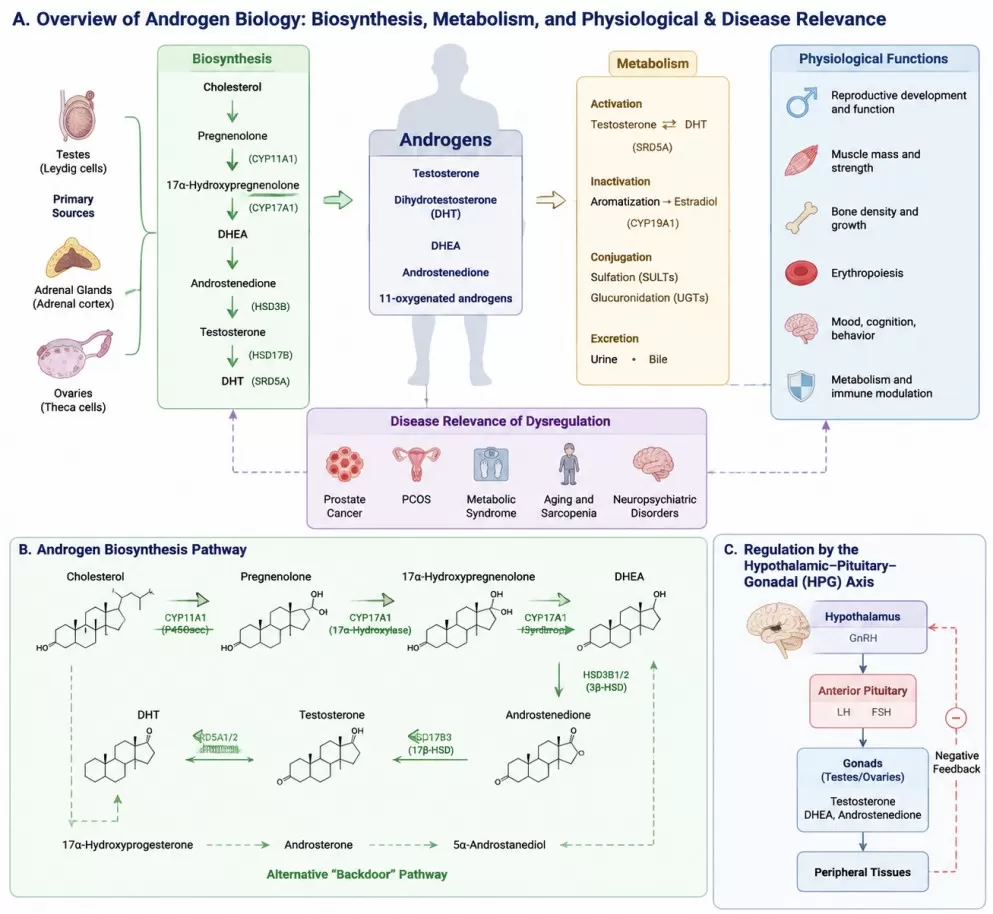
Figure 1. Overview of androgen biosynthesis, metabolism, and disease relevance.
What Are Androgens? Biological Functions Beyond Reproduction
Major Types of Androgen Hormones
Androgens are C19 steroid hormones synthesized from cholesterol through a series of enzymatic reactions occurring primarily in steroidogenic tissues, including the testes, adrenal glands, and ovaries. The major androgen-related molecules include testosterone, dihydrotestosterone (DHT), dehydroepiandrosterone (DHEA), and androstenedione.
Testosterone
Testosterone is the primary circulating androgen in humans and plays essential roles in:
- development of male reproductive tissues;
- maintenance of skeletal muscle and bone;
- regulation of metabolic processes;
- modulation of reproductive function.
In males, testosterone is primarily produced by Leydig cells in the testes under regulation from the hypothalamic-pituitary-gonadal (HPG) axis. In females, lower levels of testosterone are produced by ovarian and adrenal pathways and serve as precursors for estrogen biosynthesis and contributors to physiological androgen signaling. (Elzenaty et al., 2022)
Dihydrotestosterone (DHT)
DHT is generated from testosterone through the activity of steroid 5alpha-reductase enzymes, particularly SRD5A1 and SRD5A2. Compared with testosterone, DHT exhibits stronger affinity and transcriptional activity toward the androgen receptor (AR). DHT is particularly important in tissues such as the prostate, external genitalia, and hair follicles.
The conversion between testosterone and DHT represents a critical regulatory step controlling local androgen activity. Therefore, androgen action is strongly influenced by tissue-specific enzyme expression rather than systemic hormone levels alone.
DHEA and Androstenedione
Dehydroepiandrosterone (DHEA) and androstenedione are steroid precursors produced mainly in adrenal and gonadal tissues. Although DHEA itself has relatively weak androgenic activity, it serves as an important substrate for downstream androgen synthesis.
Recent studies have expanded the understanding of androgen biology by identifying adrenal-derived 11-oxygenated androgen pathways. These metabolites, including 11-ketotestosterone, exhibit biological activity comparable to classical androgens and contribute to androgen-related disorders such as PCOS and castration-resistant prostate cancer. (Storbeck & O'Reilly, 2023)
Androgen Receptor Signaling and Cellular Regulation
The primary mechanism of androgen action occurs through the androgen receptor (AR), a member of the nuclear receptor superfamily. After binding to androgen ligands, AR undergoes conformational changes, translocates into the nucleus, and regulates transcription of androgen-responsive genes.
AR signaling controls multiple biological processes, including:
- reproductive tissue development;
- muscle protein synthesis;
- bone remodeling;
- mitochondrial function;
- metabolic regulation.
Although classical androgen signaling involves genomic regulation through transcriptional control, increasing evidence indicates that AR can also participate in rapid non-genomic signaling pathways involving intracellular signaling molecules and membrane-associated processes. (Elzenaty et al., 2022; Ahmad & Newell-Fugate, 2022)
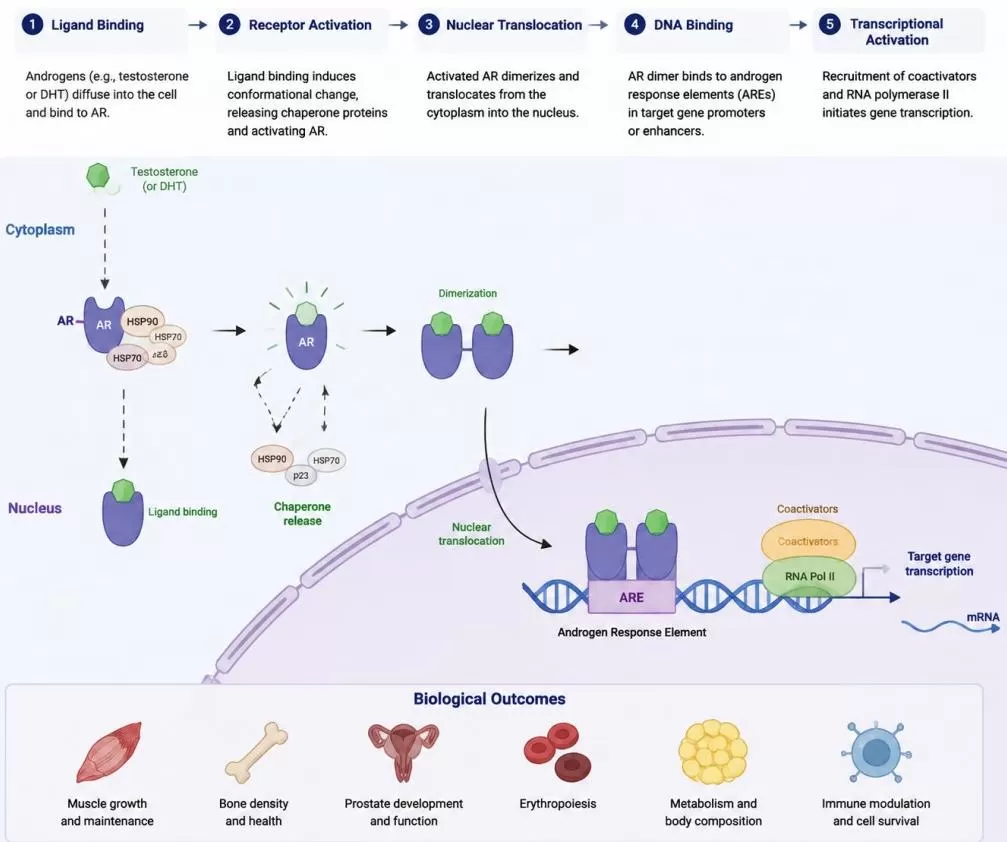
Figure 2. Androgen receptor signaling pathway.
Androgen Biosynthesis: From Cholesterol to Active Hormones
Androgen biosynthesis is a tightly regulated steroidogenic process that converts cholesterol into biologically active androgen hormones through a series of enzymatic reactions. This pathway occurs mainly in steroidogenic tissues, including testicular Leydig cells, adrenal cortical cells, and ovarian theca cells.
Although testosterone is often considered the major androgen hormone, androgen production involves a complex network of precursor molecules and metabolic intermediates. The balance between synthesis, conversion, and degradation determines androgen availability in different tissues. Recent advances in steroid metabolomics have further revealed that previously underappreciated androgen metabolites, including 11-oxygenated androgens, contribute significantly to human endocrine physiology. (Elzenaty et al., 2022; Storbeck & O'Reilly, 2023)
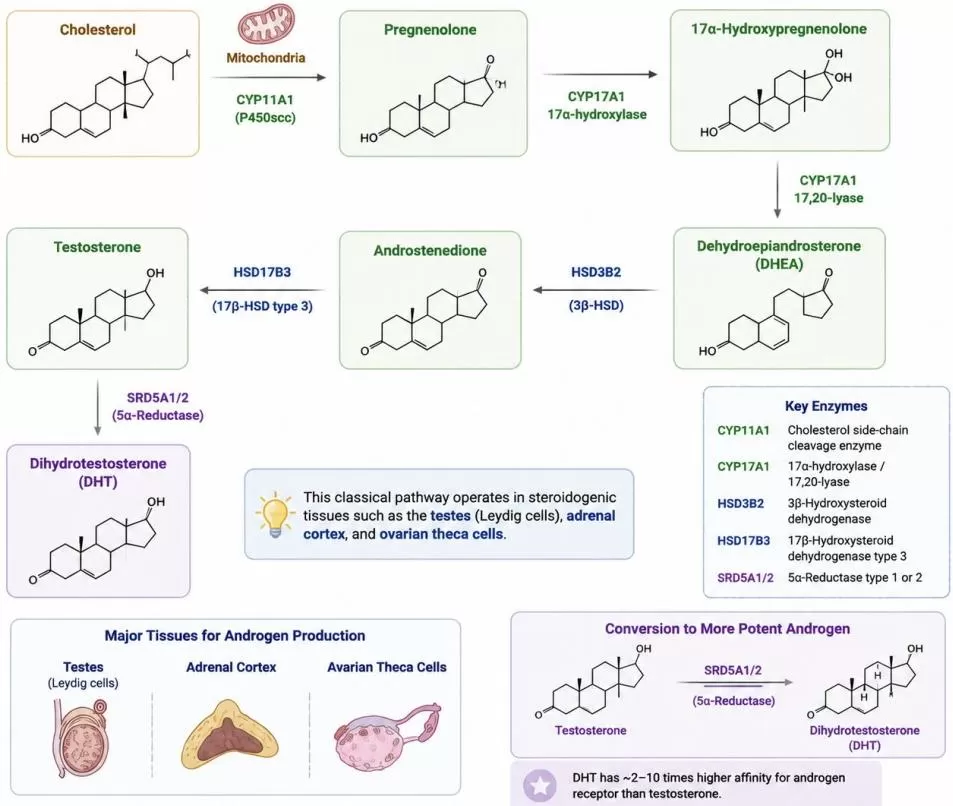
Figure 3. Steroidogenic pathway from cholesterol to active androgens.
The Classical Steroidogenic Pathway
The classical androgen biosynthesis pathway begins with cholesterol, which serves as the universal precursor for all steroid hormones. Cholesterol is transported into mitochondria by the steroidogenic acute regulatory protein (StAR), where the first and rate-limiting step of steroidogenesis occurs.
The major pathway can be summarized as:
Cholesterol → Pregnenolone → 17alpha-Hydroxypregnenolone → DHEA → Androstenedione → Testosterone → Dihydrotestosterone (DHT)
Each conversion step is controlled by specific steroidogenic enzymes.
CYP11A1: Initiation of Steroidogenesis
The first step of androgen synthesis is mediated by cytochrome P450 cholesterol side-chain cleavage enzyme (CYP11A1, also known as P450scc). CYP11A1 converts cholesterol into pregnenolone, initiating the production of steroid hormones.
Because CYP11A1 controls entry into the steroidogenic pathway, alterations in CYP11A1 activity can affect multiple hormone classes, including glucocorticoids, mineralocorticoids, and sex steroids.
CYP17A1: A Central Enzyme for Androgen Production
CYP17A1 performs two critical enzymatic activities:
17alpha-hydroxylase activity
converts pregnenolone and progesterone derivatives into hydroxylated intermediates.
17,20-lyase activity
generates androgen precursors including DHEA.
Through these activities, CYP17A1 represents a key regulatory point controlling androgen production.
The importance of CYP17A1 is particularly evident in prostate cancer, where increased intratumoral androgen synthesis can contribute to resistance against androgen deprivation therapy. Targeting CYP17A1 with inhibitors such as abiraterone has therefore become an important therapeutic strategy for advanced prostate cancer. (Zhang et al., 2022)
HSD3B and HSD17B: Testosterone Formation
Following DHEA production, additional enzymatic reactions generate androstenedione and testosterone.
3beta-Hydroxysteroid dehydrogenase (HSD3B) converts DHEA into androstenedione.
17beta-Hydroxysteroid dehydrogenases (HSD17B) regulate the reversible conversion between androstenedione and testosterone.
Different HSD17B isoforms show distinct tissue distributions and catalytic properties, allowing local regulation of androgen availability.
For example:
- HSD17B3: highly expressed in testicular Leydig cells, promotes testosterone synthesis
- HSD17B5: contributes to androgen production in peripheral tissues
This tissue-specific enzyme expression explains why androgen activity cannot always be predicted from circulating testosterone levels alone.
SRD5A: Conversion of Testosterone into DHT
Testosterone is converted into dihydrotestosterone (DHT) by steroid 5alpha-reductase enzymes:
- SRD5A1
- SRD5A2
DHT has a higher affinity for the androgen receptor compared with testosterone and produces stronger transcriptional activation.
SRD5A2-mediated DHT production is particularly important in:
- prostate development
- benign prostatic hyperplasia
- androgenetic alopecia
Pharmacological inhibition of 5alpha-reductase using finasteride or dutasteride reduces DHT production and is clinically used for prostate enlargement and hair loss treatment.
Alternative "Backdoor" Pathway of Androgen Biosynthesis
In addition to the classical pathway, androgen synthesis can occur through an alternative route known as the backdoor pathway.
Unlike the classical pathway, which produces testosterone as an intermediate, the backdoor pathway converts steroid precursors into DHT-related metabolites without requiring testosterone formation.
The pathway involves:
- 17alpha-hydroxyprogesterone
- 5alpha-reduced intermediates
- androstanediol
- DHT
This pathway was initially characterized in fetal development but is now recognized as relevant in several human diseases.
Emerging evidence suggests that alternative androgen pathways may contribute to:
- congenital adrenal hyperplasia
- PCOS
- castration-resistant prostate cancer
The discovery of these alternative pathways has expanded the understanding of androgen biology, demonstrating that androgen activity depends on a complex metabolic network rather than a single linear pathway. (Storbeck & O'Reilly, 2023)
Androgen Metabolism and Tissue-Specific Regulation
Androgen metabolism determines hormone availability, biological activity, and tissue-specific responses. After synthesis, androgens undergo enzymatic conversion, activation, and clearance processes that regulate their local and systemic effects.
Testosterone can be converted into the more potent androgen dihydrotestosterone (DHT) by steroid 5alpha-reductases (SRD5A1 and SRD5A2). This conversion is particularly important in tissues such as the prostate, skin, and reproductive organs, where local DHT production contributes to androgen receptor (AR)-mediated signaling. In addition, testosterone can be converted into estradiol through aromatase (CYP19A1), highlighting the interconnected regulation between androgen and estrogen pathways.
Androgen activity is also controlled through metabolic inactivation pathways, including sulfation and glucuronidation mediated by enzymes such as sulfotransferases (SULTs) and UDP-glucuronosyltransferases (UGTs). These reactions reduce steroid activity and facilitate hormone clearance.
Importantly, circulating androgen concentrations do not always reflect tissue-specific androgen activity. Local enzyme expression, sex hormone-binding globulin (SHBG) levels, androgen receptor abundance, and downstream signaling pathways collectively determine biological responses.
Recent studies have further expanded the understanding of androgen metabolism by identifying 11-oxygenated androgens, including 11-ketotestosterone, as biologically active metabolites involved in endocrine disorders such as polycystic ovary syndrome (PCOS) and adrenal-related androgen excess. (Storbeck & O'Reilly, 2023)
Comprehensive steroid metabolomics using LC-MS/MS provides a powerful approach to characterize diverse androgen metabolites and investigate complex hormone regulation networks.
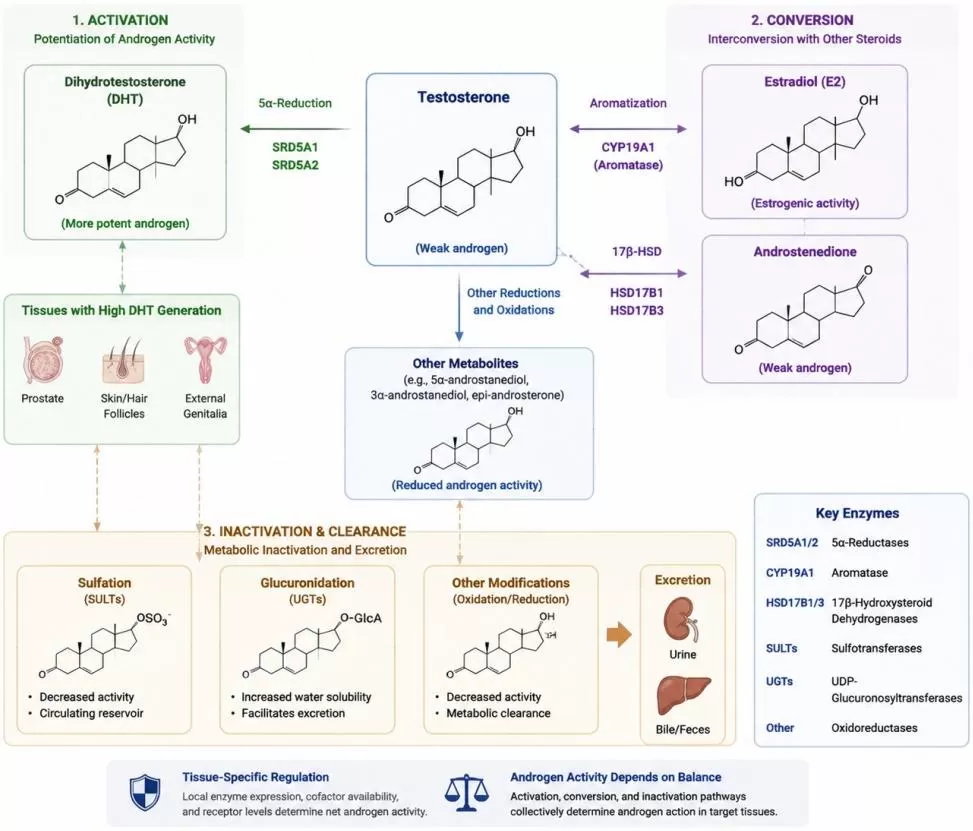
Figure 4. Overview of androgen metabolic pathways showing activation, conversion, and inactivation routes.
Disease Relevance of Androgen Dysregulation
Disrupted androgen homeostasis contributes to multiple human diseases by affecting hormone signaling, metabolism, and tissue function.
Androgens in Prostate Cancer
Androgen receptor (AR) signaling plays a central role in prostate cancer development and progression. Many prostate tumors remain dependent on androgen signaling, making androgen deprivation therapy (ADT) a major treatment strategy. However, resistance can develop through mechanisms including increased AR expression, receptor alterations, and local androgen synthesis within tumor tissues. (Zhang et al., 2022)
Understanding changes in androgen metabolism is therefore important for identifying therapeutic resistance mechanisms and potential biomarkers.
Androgen Excess in Polycystic Ovary Syndrome
PCOS is one of the most common endocrine disorders affecting reproductive-age women and is characterized by hyperandrogenism, ovarian dysfunction, and metabolic abnormalities.
Elevated androgen production can contribute to impaired follicular development, insulin resistance, and altered metabolic profiles. Recent studies have highlighted the importance of both classical and adrenal-derived androgen pathways in PCOS pathophysiology. (Wang et al., 2023)
Aging, Metabolism, and Chronic Disease
Androgen levels gradually decline with aging and are associated with changes in muscle mass, bone health, and metabolic function. Reduced androgen signaling has been linked with sarcopenia, altered body composition, and increased risk of metabolic disorders.
Because androgen-related diseases involve complex interactions between hormones, metabolism, and gene regulation, integrated molecular approaches are increasingly valuable for understanding disease mechanisms.
Analytical Strategies for Studying Androgen Metabolism
Accurate characterization of androgen metabolism requires analytical approaches capable of detecting structurally similar steroid molecules at low concentrations. Traditional immunoassays have been widely used for hormone measurement; however, their accuracy can be affected by antibody cross-reactivity and limited metabolite coverage.
Mass spectrometry-based steroid hormone profiling has become an important analytical strategy for investigating androgen pathways due to its high sensitivity, specificity, and ability to simultaneously quantify multiple steroid metabolites.
LC-MS/MS-Based Steroid Hormone Profiling
Liquid chromatography-tandem mass spectrometry (LC-MS/MS) combines chromatographic separation with highly selective mass detection, enabling accurate identification and quantification of steroid hormones.
Compared with conventional methods, LC-MS/MS provides several advantages:
- improved discrimination between structurally similar steroids;
- detection of low-abundance androgen metabolites;
- simultaneous analysis of multiple steroid pathways;
- reliable quantitative measurement.
Targeted steroid metabolomics using LC-MS/MS is particularly valuable for studying androgen-related disorders because it enables measurement of testosterone, DHT, DHEA, androstenedione, and emerging metabolites such as 11-oxygenated androgens.
Recent clinical studies have emphasized the importance of comprehensive steroid profiling because single hormone measurements may not fully capture alterations in androgen metabolism. (Heijboer & Hannema, 2023)
Multi-Omics Integration in Androgen Research
Androgen regulation involves interactions between steroid metabolism, gene expression, protein activity, and cellular signaling. Therefore, single-layer analysis may provide limited insight into the mechanisms underlying androgen-related diseases.
Multi-omics integration combines complementary molecular information from different biological levels:
| Omics approach | Research value |
|---|---|
| Metabolomics | Characterization of androgen metabolites and metabolic alterations |
| Lipidomics | Investigation of lipid signaling and metabolic remodeling |
| Transcriptomics | Analysis of steroidogenic enzyme and receptor regulation |
| Proteomics | Identification of enzymes, receptors, and signaling proteins |
For example, combining steroid metabolomics with transcriptomic analysis can reveal whether altered androgen levels result from changes in hormone synthesis enzymes, metabolic conversion pathways, or receptor-mediated responses.
In cancer research, multi-omics approaches can help characterize androgen receptor signaling networks and identify molecular mechanisms associated with treatment resistance. In endocrine disorders such as PCOS, integrated profiling can provide insights into the relationship between androgen excess, metabolic dysfunction, and inflammatory pathways.
How MetwareBio Supports Androgen Research Through Multi-Omics
Understanding androgen biology requires analytical strategies that capture both hormone changes and broader molecular alterations. MetwareBio provides integrated metabolomics, lipidomics, proteomics, and multi-omics solutions to support studies of hormone regulation and disease mechanisms.
Targeted steroid hormone metabolomics based on LC-MS/MS technology enables sensitive and quantitative analysis of androgen-related metabolites, including classical and emerging steroid molecules. Untargeted metabolomics can further identify metabolic changes associated with androgen dysregulation.
By integrating metabolomics with transcriptomic and proteomic data, multi-omics approaches can help researchers investigate:
- mechanisms underlying endocrine disorders;
- molecular signatures associated with disease progression;
- potential biomarkers for diagnosis or therapeutic response;
- metabolic changes related to drug treatment.
These integrated strategies provide a comprehensive framework for studying the complex relationship between androgen metabolism and human disease.
Contact UsConclusion
Androgens are multifunctional steroid hormones regulated by coordinated processes involving biosynthesis, metabolic conversion, receptor signaling, and tissue-specific regulation. Although testosterone and DHT remain central components of androgen biology, emerging evidence highlights the importance of diverse androgen metabolites and complex metabolic networks.
Advanced analytical technologies, particularly LC-MS/MS-based steroid metabolomics combined with multi-omics integration, provide powerful approaches for understanding androgen regulation and disease mechanisms. These strategies enable deeper investigation of endocrine disorders, cancer biology, and metabolic diseases.
Frequently Asked Questions (FAQ)
Q1. What are the main androgen hormones?
The major androgen hormones include testosterone, dihydrotestosterone (DHT), dehydroepiandrosterone (DHEA), and androstenedione. Testosterone is the primary circulating androgen, while DHT is a more potent androgen generated through testosterone conversion by steroid 5α-reductase enzymes. DHEA and androstenedione function mainly as precursor molecules in androgen biosynthesis.
Q2. How are androgens synthesized in the human body?
Androgen biosynthesis begins with cholesterol and proceeds through a series of enzymatic reactions involving pregnenolone, DHEA, androstenedione, testosterone, and DHT. Key enzymes involved include CYP11A1, CYP17A1, HSD3B, HSD17B, and SRD5A.
The primary sites of androgen production include testicular Leydig cells, adrenal cortex, and ovarian theca cells. The hypothalamic–pituitary–gonadal (HPG) axis regulates systemic androgen production through hormonal feedback mechanisms.
Q3. What is the difference between testosterone and DHT?
Testosterone is the major circulating androgen, whereas DHT is a more potent androgen with stronger androgen receptor (AR) activation capacity.
DHT is produced from testosterone through SRD5A1 and SRD5A2 enzymes and plays important roles in tissues such as the prostate, skin, and hair follicles. Increased DHT activity is associated with conditions including benign prostatic hyperplasia and androgenetic alopecia.
Q4. Why can circulating androgen levels not fully represent androgen activity?
Circulating hormone concentrations do not always reflect biological androgen activity because local tissue regulation plays an important role.
Factors affecting androgen responses include:
- local steroid-converting enzyme expression;
- sex hormone-binding globulin (SHBG) levels;
- androgen receptor abundance;
- downstream signaling activity.
Therefore, tissue-specific androgen metabolism should be considered when investigating androgen-related diseases.
Q5. How are androgen hormones measured?
Androgen hormones can be measured using immunoassays or mass spectrometry-based methods.
LC-MS/MS-based steroid hormone profiling provides higher analytical specificity and enables simultaneous detection of multiple steroid metabolites. This approach is particularly useful for distinguishing structurally similar hormones and identifying low-abundance androgen metabolites.
Q6. Why is LC-MS/MS important for androgen metabolomics?
Androgen metabolites share highly similar chemical structures, making accurate quantification challenging.
LC-MS/MS-based steroid metabolomics enables:
- sensitive detection of multiple androgen metabolites;
- accurate quantitative analysis;
- identification of metabolic pathway alterations;
- discovery of potential disease biomarkers.
This technology is increasingly applied in endocrine research, cancer biology, and metabolic disease studies.
Q7. How can multi-omics approaches improve androgen research?
Androgen regulation involves interactions between metabolites, enzymes, receptors, and signaling networks. Multi-omics integration combines metabolomics, lipidomics, transcriptomics, and proteomics data to provide a comprehensive view of androgen-related biological processes.
These approaches can help identify:
- molecular mechanisms of androgen dysregulation;
- biomarkers associated with disease progression;
- therapeutic response signatures.
Q8. Which diseases are associated with androgen imbalance?
Androgen dysregulation is involved in several human diseases, including:
- Prostate cancer: androgen receptor signaling contributes to tumor progression and therapy resistance.
- Polycystic ovary syndrome (PCOS): excessive androgen production is associated with reproductive and metabolic abnormalities.
- Metabolic disorders: altered androgen signaling can influence body composition, insulin sensitivity, and energy metabolism.
- Age-related changes: declining androgen levels are associated with changes in muscle and bone physiology.
Read More: Steroid Hormone Metabolomics and Multi-Omics Integration
These articles expand on androgen research from targeted steroid profiling to multi-omics integration, covering related hormone pathways, analytical platforms, and systems biology approaches.
Learn how LC-MS/MS-based steroid hormone targeted metabolomics enables simultaneous quantification of testosterone, DHT, DHEA, and other androgen metabolites with high sensitivity and specificity for endocrine research.
Cortisol is another key steroid hormone derived from the same cholesterol precursor as androgens. This article explores adrenal steroid metabolism, HPA axis regulation, and metabolomics approaches for stress hormone analysis.
Cholesterol serves as the universal precursor for all steroid hormones including androgens. This guide covers sterol lipid classification, metabolic functions, and analytical methods relevant to steroid biosynthesis research.
Eicosanoids are lipid mediators that interact with steroid hormone signaling pathways. This article covers their biosynthesis, analytical detection by LC-MS, and roles in inflammation and disease alongside androgen-related conditions.
Combining steroid metabolomics with proteomic data strengthens pathway hypotheses. This article explains how multi-omics integration reveals connections between enzyme abundance, metabolite levels, and disease mechanisms.
Androgen-related diseases involve complex interactions across molecular layers. This overview covers how multi-omics approaches integrate metabolomics, proteomics, and transcriptomics to identify disease mechanisms and biomarkers.
References
- Naamneh Elzenaty, R., du Toit, T., & Fluck, C. E. (2022). Basics of androgen synthesis and action. Best practice & research. Clinical endocrinology & metabolism, 36(4), 101665. https://doi.org/10.1016/j.beem.2022.101665
- Storbeck, K. H., & O'Reilly, M. W. (2023). The clinical and biochemical significance of 11-oxygenated androgens in human health and disease. European journal of endocrinology, 188(4), R98-R109. https://doi.org/10.1093/ejendo/lvad047
- Wang, K., Li, Y., & Chen, Y. (2023). Androgen excess: a hallmark of polycystic ovary syndrome. Frontiers in endocrinology, 14, 1273542. https://doi.org/10.3389/fendo.2023.1273542
- Zhang, H., Zhou, Y., Xing, Z., Sah, R. K., Hu, J., & Hu, H. (2022). Androgen Metabolism and Response in Prostate Cancer Anti-Androgen Therapy Resistance. International journal of molecular sciences, 23(21), 13521. https://doi.org/10.3390/ijms232113521
- Heijboer, A. C., & Hannema, S. E. (2023). Androgen Excess and Deficiency: Analytical and Diagnostic Approaches. Clinical chemistry, 69(12), 1361-1373. https://doi.org/10.1093/clinchem/hvad146