Large-cohort plasma proteomics and serum/plasma proteomics are becoming important strategies for biomarker discovery, disease mechanism research, and translational cohort studies. To make DIA-based proteomics more accessible for larger sample sets, MetwareBio is offering special pricing for eligible large-cohort projects: $399/sample for 100+ eligible samples and $299/sample for 300+ eligible samples through October 31, 2026.
1. Special Pricing for Large-Cohort Plasma Proteomics by DIA
For researchers planning large-scale plasma proteomics, serum proteomics, or eligible standard DIA quantitative proteomics projects, this promotion is designed to make cohort-scale protein quantification more accessible while keeping QC planning at the center of the workflow.
|
Large-Cohort Plasma Proteomics by DIA Promotion 100+ eligible samples: $399/sample 300+ eligible samples: $299/sample Eligible Project Types DIA-based plasma/serum proteomics DIA proteomics Offer extended through October 31, 2026. |
2. Why Large-Cohort Plasma Proteomics Is Gaining Momentum
Large-scale proteomics is increasingly used to connect protein-level variation with genetics, phenotypes, disease biology, and potential therapeutic targets. In the UK Biobank Pharma Proteomics Project, researchers profiled plasma proteins from 54,219 participants and reported pQTLs, disease signatures, and prediction models across demographic and health indicators (Sun et al., 2023, Nature).
A separate proteome-phenome atlas analyzed 2,920 plasma proteins in 53,026 adults and linked them with prevalent and incident diseases as well as health-related traits, illustrating how large plasma protein datasets can support disease biology, biomarker discovery, and target prioritization (Deng et al., 2025, Cell). Another UK Biobank-based study integrated approximately 3,000 plasma proteins from 41,931 individuals with clinical information to build prediction models for 218 common and rare diseases (Carrasco-Zanini et al., 2024, Nature Medicine).
These examples show a broader trend: plasma proteomics is moving from small discovery studies toward larger cohorts. As sample numbers grow, researchers need workflows that can scale across plates and batches while preserving quantitative consistency. The key question becomes: can the workflow remain stable when the study expands from dozens of samples to hundreds?
3. Why DIA-Based Quantification Is Well Suited for Cohort-Scale Proteomics
Data-independent acquisition, or DIA, systematically fragments precursor ions across defined m/z windows, which supports more consistent peptide and protein quantification across sample groups compared with more stochastic precursor selection strategies (Gillet et al., 2012, Molecular & Cellular Proteomics). This makes DIA particularly useful when researchers need to compare many samples across disease groups, treatments, time points, or biological conditions.
For plasma and serum studies, sample complexity adds another layer of difficulty. High-abundance blood proteins can dominate the detectable signal and make it harder to observe lower-abundance proteins that may be biologically relevant to disease mechanisms, inflammation, treatment response, or biomarker discovery (Anderson and Anderson, 2002, Molecular & Cellular Proteomics). MetwareBio's blood proteomics workflow is designed to combine serum/plasma enrichment with DIA-based protein quantification, helping researchers profile more informative protein signals from complex blood-derived samples.
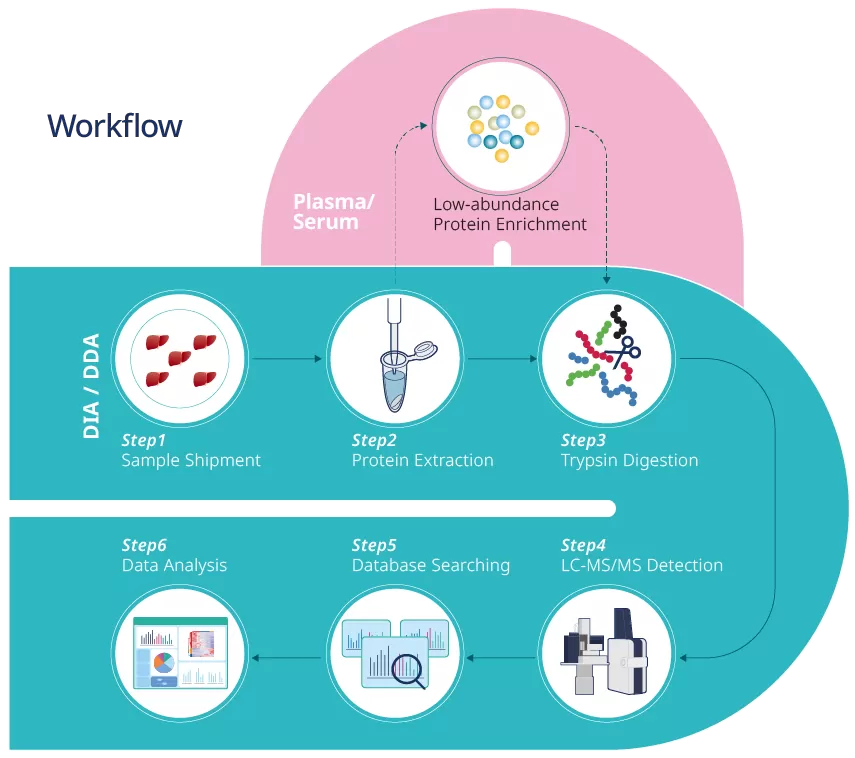
Figure 1. DIA-Based Plasma and Serum Proteomics Workflow
4. Built for Scale: MetwareBio's Multi-Layer Quality Control
For large-cohort plasma proteomics and DIA-based projects, quality control should be planned before the first sample is processed. MetwareBio applies a multi-layer QC framework that extends from project design and sample preparation through LC-MS/MS detection, quantitative analysis, bioinformatics, custom analysis, and report interpretation.
At the plate level, QC placement can include process quality control (PQC), long-term quality control (LQC), blank samples, and mass spectrometry quality control (MQC) to monitor sample preparation, carryover, system behavior, and long-term data consistency across batches. This is especially important for 100+ and 300+ sample projects, where even small technical drift can influence downstream biological interpretation.
This QC structure helps researchers evaluate whether batches are comparable, QC samples remain stable, and observed protein-level differences are biologically interpretable rather than driven by run order or batch effects.
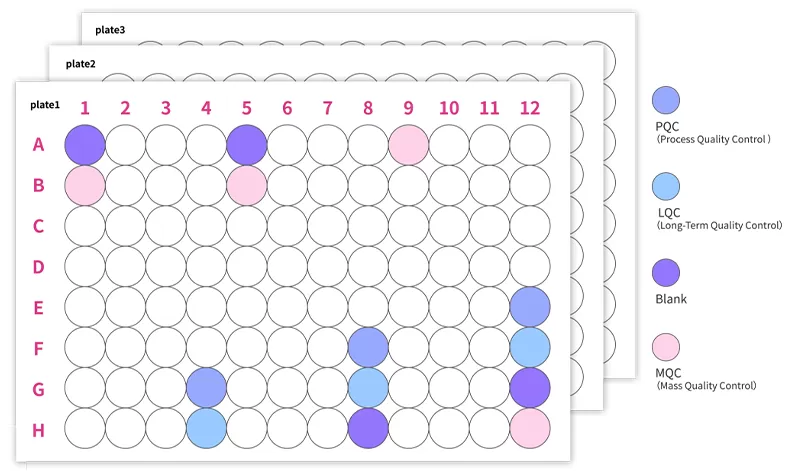
Figure 2. Quality Control Plate Layout for Large-Cohort Plasma Proteomics
| QC Layer | What Is Monitored | Why It Matters for Large Cohorts |
|---|---|---|
| Plate-level QC layout | PQC, LQC, blank, and MQC samples distributed across plates and batches | Helps monitor preparation consistency, carryover, batch effects, and long-term reproducibility |
| LC-MS/MS system monitoring | Reference QC materials and repeated QC injections | Tracks system status, signal stability, retention behavior, and acquisition consistency |
| Data generation QC | iRT peptides, mixed protein QC, mixed peptide QC, and random sampling when applicable | Supports peptide-level consistency checks and sample-processing assessment across a large run sequence |
| Data analysis QC | QC-RSD and QC-correlation | Evaluates reproducibility, data consistency, and whether cohort-scale quantitative patterns are reliable |
| Report-level interpretation | QC summary, differential analysis, pathway interpretation, and custom project review | Helps researchers judge data quality before drawing biological conclusions |
5. What You Receive in a Large-Cohort Plasma/DIA Proteomics Project
A large-cohort plasma proteomics or DIA project should deliver more than a protein list. MetwareBio's workflow supports protein identification and quantification, data quality assessment, differential protein analysis, and downstream biological interpretation.
| Deliverable | Research Value |
|---|---|
| Protein identification and quantification | Provides the quantitative foundation for comparing groups, time points, or treatments |
| QC report and data quality assessment | Helps evaluate reproducibility and data consistency across plates and batches |
| Differential protein analysis | Identifies proteins that vary across experimental groups or biological conditions |
| Volcano plots and cluster heatmaps | Visualizes group-level differences and protein expression patterns |
| GO and KEGG enrichment analysis | Connects differentially expressed proteins to biological processes and pathways |
| PPI network analysis | Supports interpretation of protein interaction patterns and functional modules |
| WPCNA analysis | Helps identify co-expression modules associated with phenotypes or sample groups |
| Subcellular localization analysis | Adds functional context to altered proteins and pathway-level interpretation |
6. How MetwareBio Supports Large-Cohort Plasma Proteomics Research
MetwareBio provides proteomics, metabolomics, lipidomics, transcriptomics, spatial omics, and multi-omics analysis services for research teams seeking deeper biological interpretation from complex samples. For large-cohort plasma/serum proteomics and eligible standard DIA projects, MetwareBio can support project review, sample planning, LC-MS/MS-based DIA acquisition, QC assessment, differential analysis, pathway enrichment, and report interpretation.
Ready to plan a large-cohort plasma or DIA proteomics project? Submit your sample number and project goal to confirm whether your project qualifies for large-cohort pricing.
Kindly Note the Specifics of This Promotional Offer
To qualify for this offer, work orders or quotes must be signed by October 31, 2026. This offer cannot be combined with other promotions, discounts, or offers. Project eligibility is subject to sample type, sample number, workflow scope, and project review. Additional conditions may apply; please contact us for details. Metware Biotechnology reserves the right for final interpretation.
7. FAQ: Large-Cohort Plasma Proteomics by DIA Promotion
What sample numbers qualify for this promotion?
Eligible projects with 100+ qualifying samples may receive $399/sample pricing, while projects with 300+ qualifying samples may receive $299/sample pricing. Project review is required to confirm scope, sample type, workflow requirements, and eligibility.
Does this promotion apply only to plasma and serum samples?
Plasma and serum cohorts are the primary focus because many large-cohort proteomics studies use blood-derived samples. Eligible standard DIA quantitative proteomics projects with 100+ or 300+ samples may also qualify, subject to project review.
Why is QC especially important for 100+ or 300+ samples?
Large-cohort studies often require multiple plates, batches, and run sequences. QC samples, repeated QC injections, iRT peptides, QC-RSD, and QC-correlation help monitor technical variation so researchers can interpret protein changes with greater confidence.
What kinds of projects are a good fit for large-cohort plasma proteomics?
Disease cohort studies, plasma biomarker discovery, treatment-response projects, longitudinal studies, and multi-omics studies are strong fits when they require reproducible protein quantification across many serum or plasma samples.
Can MetwareBio help review my study design before sample submission?
Yes. Researchers can share sample type, species, group design, sample number, research goal, and metadata structure before submission. MetwareBio can help review whether the DIA workflow and QC plan fit the project.
When does the offer end?
The offer has been extended through October 31, 2026. A signed quote or work order is required by that date, with project eligibility subject to review.
Read More: Plasma Proteomics, DIA Methods, and Cohort-Scale Data Analysis
These articles cover complementary topics for researchers planning large-cohort plasma proteomics projects, from DIA method selection and blood sample handling to quality control and downstream data analysis.
Understand the fundamental differences between data-independent and data-dependent acquisition strategies, and learn why DIA is increasingly preferred for large-cohort proteomics studies requiring consistent quantification across hundreds of samples.
Explore the practical differences between serum and plasma proteomics, including sample collection, protein composition, and how each matrix affects biomarker discovery and large-cohort study design decisions.
Learn how QC samples, iRT peptides, QC-RSD, and QC-correlation metrics work together to monitor technical variation across plates and batches, ensuring that cohort-scale protein quantification remains reliable and interpretable.
Discover how volcano plots visualize differential protein expression results, helping you identify significant protein changes across experimental groups and interpret biological patterns in large-cohort proteomics data.
Compare Olink proximity extension assay technology with mass spectrometry-based proteomics approaches, and understand how each platform fits different large-cohort blood proteomics research goals and budget considerations.
See how combining proteomics with metabolomics enhances biomarker discovery and disease mechanism research in clinical cohorts, extending the value of large-cohort plasma proteomics through multi-omics integration.
References
- Gillet LC, Navarro P, Tate S, et al. Targeted data extraction of the MS/MS spectra generated by data-independent acquisition: a new concept for consistent and accurate proteome analysis. Molecular & Cellular Proteomics. 2012;11(6):O111.016717. doi:10.1074/mcp.O111.016717. https://doi.org/10.1074/mcp.O111.016717
- Anderson NL, Anderson NG. The human plasma proteome: history, character, and diagnostic prospects. Molecular & Cellular Proteomics. 2002;1(11):845-867. doi:10.1074/mcp.R200007-MCP200. https://doi.org/10.1074/mcp.R200007-MCP200
- Sun BB, Chiou J, Traylor M, et al. Plasma proteomic associations with genetics and health in the UK Biobank. Nature. 2023;622:329-338. doi:10.1038/s41586-023-06592-6. https://doi.org/10.1038/s41586-023-06592-6
- Deng YT, You J, He Y, et al. Atlas of the plasma proteome in health and disease in 53,026 adults. Cell. 2025;188(1):253-271.e7. doi:10.1016/j.cell.2024.10.045. https://doi.org/10.1016/j.cell.2024.10.045
- Carrasco-Zanini J, Pietzner M, Davitte J, et al. Proteomic signatures improve risk prediction for common and rare diseases. Nature Medicine. 2024;30:2489-2498. doi:10.1038/s41591-024-03142-z. https://doi.org/10.1038/s41591-024-03142-z
- UK Biobank. Launch of world's most significant protein study set to usher in new understanding for medicine. Published January 10, 2025.